What an AWTS is
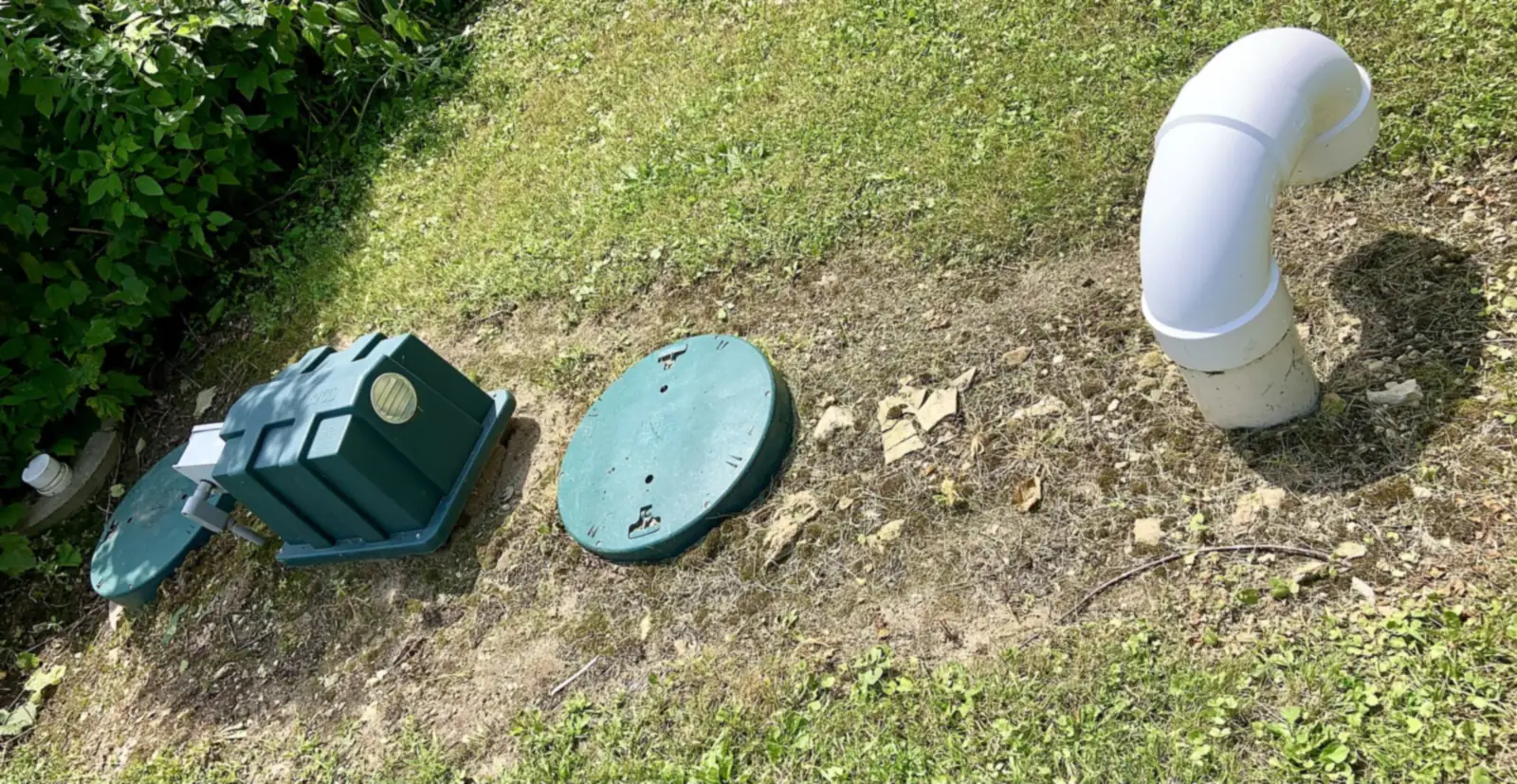
An aerated wastewater treatment system (AWTS), also called an on-site treatment plant, is a small sewage treatment plant that sits in your yard. Toowoomba Regional Council describes it as the most common type of on-site sewerage facility. Wastewater moves through several chambers. Solids settle first, then air from a blower helps bacteria break down the waste, more solids settle out, and the treated water is disinfected (usually with chlorine) before being pumped to sprinklers or drip lines in your approved land application area.
Because it relies on blowers, pumps, alarms, chlorine and live bacteria, an AWTS needs regular checks to keep working. That's why Queensland makes servicing compulsory.
Servicing rules in Queensland and the Toowoomba region
- How often: Toowoomba Regional Council says aerated treatment plants are commonly serviced every three months, and sand filter systems every 12 months. The binding interval is in the conditions of your plant's treatment plant approval and your plumbing approval.
- Who: a licensed service agent. QBCC notes that a plumber needs an endorsement on their licence to maintain on-site sewerage facilities.
- Whose job it is to book: the owner's. Council says it is the property owner's responsibility to engage a service agent and keep a servicing contract in place while the system is in use.
- Reporting: QBCC says the licensee must give the local government a written report on the condition of the system within one month of servicing it, and give a copy to the owner.
- Enforcement: Toowoomba Regional Council says it monitors maintenance of on-site systems across the region to make sure required maintenance is done. Other Queensland councils state that they may take enforcement action where systems aren't maintained.
Servicing is required under Queensland's Plumbing and Drainage Act 2018, and on-site systems are assessed against the Queensland Plumbing and Wastewater Code and Australian Standards AS/NZS 1546 and 1547.
What usually happens at a service
Exact checks depend on your plant's approval and the manufacturer's manual. Southern Downs Regional Council lists the kinds of tasks service agents normally do:
- maintaining mechanical equipment such as the air blower and pumps
- checking how much sludge has built up
- checking the irrigation system is working
- adding chlorine and checking the disinfection system
- removing sludge and scum from the clarifier (final) chamber
The agent will also tell you when the primary chamber needs a full desludge. That's a separate pump-out by a liquid waste contractor.
Signs your AWTS needs attention between services
- The alarm light or buzzer is on
- The blower has stopped humming, or is louder than usual
- Bad smells (a healthy plant should smell only faintly, if at all)
- Sprinklers not running, or pooling and run-off in the irrigation area
- Water backing up in the house
Toowoomba Regional Council's advice is to call your service agent if you notice alarms, odours or unusual system behaviour, and to learn how your system normally looks, sounds and smells so you can spot problems early.
Irrigation area do's and don'ts
Treated effluent must stay on your property. Council says it is illegal to discharge effluent onto neighbouring properties, gutters, waterways or anywhere it could run off into waterways. Council's guidance also says:
- keep sprinklers in their approved locations, as moving or extending hoses outside the approved area needs a new design and permit
- keep vehicles, play equipment and heavy items off the land application area
- avoid direct contact with effluent and irrigation spray
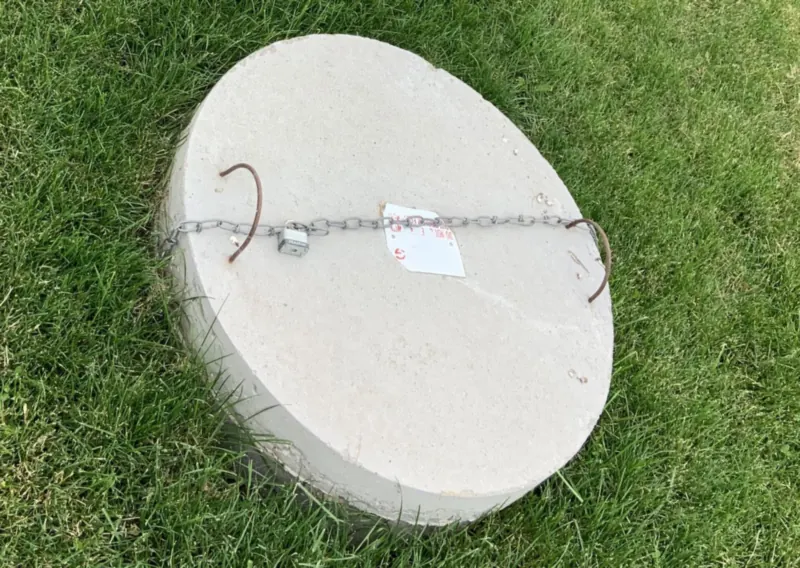
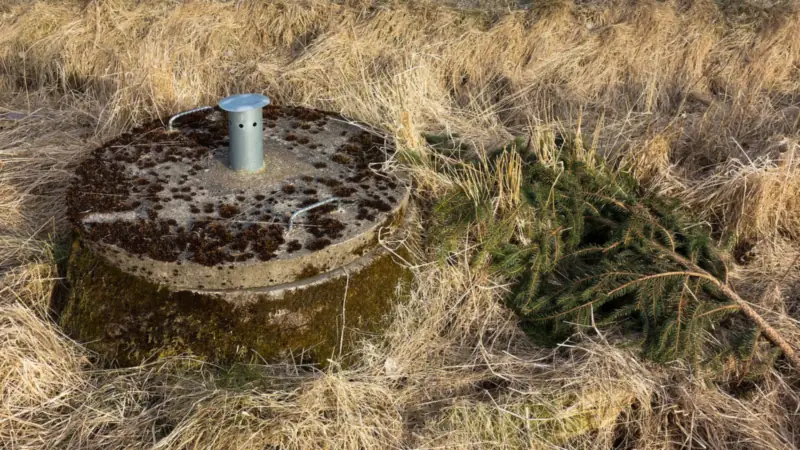
- keep tank lids sealed so mosquitoes and vermin can't get in
- don't make repairs or alterations without council approval
Bought a property with an AWTS?
It's worth finding out what system you have (brand and model are usually on a lid or the control panel), whether a service contract is in place, and when it was last serviced and desludged. Because the owner is responsible for keeping a servicing contract, a new owner should set one up promptly. A licensed provider can do a first service and let you know about any faults.
Typical costs (from public guides)
We don't set or quote prices. As a rough guide only, one public Queensland cost guide lists:
| Item | Indicative range |
|---|---|
| Quarterly service of an aerated system, per visit | $150–$280 |
| Annual cost of quarterly servicing | $600–$1,120 |
| Replace aerator / blower unit | $450–$1,200 |
| Replace irrigation or transfer pump | $600–$1,600 |
| Chlorine tablets, annual supply | $120–$300 |
Source: The Quote Yard, "Septic Tank Repair Services QLD 2026" pricing guide (rates assume south-east Queensland with reasonable access). Regional pricing can differ. Always get a written quote.
Need a service agent?
Whether you need a one-off service, a new servicing contract, or someone to look at an alarm, send us your town and your system's brand and model if you know it. We'll pass it to a licensed local provider.
AWTS questions
How often must my AWTS be serviced?
Toowoomba Regional Council says aerated wastewater treatment plants are commonly serviced every three months and sand filter systems every 12 months, by a licensed service agent. The exact interval is set by the conditions of your plant's approval.
Who is responsible for organising the service?
The property owner. Council says it is the owner's responsibility to engage a service agent and keep a servicing contract in place while the system is in use.
Does the service agent report to council?
Yes. Queensland Building and Construction Commission guidance says a licensee who services an on-site sewerage facility must give the local government a written report on its condition within one month, and give a copy to the owner.
Can I switch my treatment plant off to save power?
No. Toowoomba Regional Council's guidance specifically says not to switch the system off to save power.
What does an AWTS service cost?
We don't set prices. One public Queensland cost guide lists $150 to $280 per quarterly service visit, or about $600 to $1,120 a year. Get a written quote.
Sources: Toowoomba Regional Council, Queensland Building and Construction Commission, Southern Downs Regional Council and public cost guides. General information only. Your approval conditions take priority.