Spot the problem early
Toowoomba Regional Council suggests learning how your system should look, sound and smell when it's working properly, so you notice early when something changes. Most septic and treatment plant problems give warning signs before they become a mess. Use the list below to work out what might be happening, what you can safely do now, and when to call someone.
Safety first: keep children and pets away from pooling effluent and open tanks, avoid direct contact with effluent or irrigation spray, and never climb into or lean into a septic tank.
Common problems and what they can mean
Bad smells
A healthy system should smell faintly at most. Strong sewage smells near the tank, trenches, irrigation area or inside the house can point to a tank that needs pumping out, a blocked pipe or vent, a failing trench, or in an AWTS a blower or treatment fault. Council's advice is to call your service agent if you notice odours.
Slow drains and gurgling
Toilets that are slow to clear and drains that gurgle after a bath or washing load often mean the system can't take water away fast enough. That can be a blockage between the house and tank, a tank full of sludge, or trenches that have clogged. If several fixtures are slow at once, the problem is more likely to be at the tank or trenches than in one pipe.
Soggy, spongy or extra-green trenches
Wet ground or unusually lush grass over the trenches in dry weather can mean effluent isn't soaking away. Council explains that when a tank holds too much sludge and scum, solids, oils and grease are carried into the trenches and clog the surrounding soil. Getting the tank pumped early can stop it getting worse, but trenches that have already failed may need repair or replacement. See new systems and replacement.
Overflowing tank or effluent surfacing
Effluent coming up through lids, the ground or the irrigation area needs attention promptly. Council says effluent must always be disposed of within your property boundary and that it's illegal to discharge it onto neighbouring properties, gutters, waterways or anywhere it could run off into waterways. Cut back water use and call for help.
AWTS alarm, quiet blower or sprinklers not working
An alarm light or buzzer, a blower that has stopped humming, or irrigation that isn't running usually means a mechanical or electrical fault such as a blower, pump or float switch. Don't switch the plant off to stop the noise; council's guidance says not to switch your system off to save power. Call your service agent. See the AWTS servicing guide.
Problems after heavy rain
Council warns that letting roof or surface water into the system will overload it. If problems start after storms, check that downpipes and surface runoff aren't draining into the tank or onto the land application area.
What you can safely do right now
- Reduce water use: spread out washing loads, take shorter showers and fix leaking taps or running toilets
- Stop putting food scraps, oil, milk, wipes, sanitary products and harsh chemicals down drains and toilets
- Keep vehicles, stock and people off the tank, trenches and irrigation area
- Note what you've seen and when: smells, alarm lights, where water is pooling, last pump-out or service date
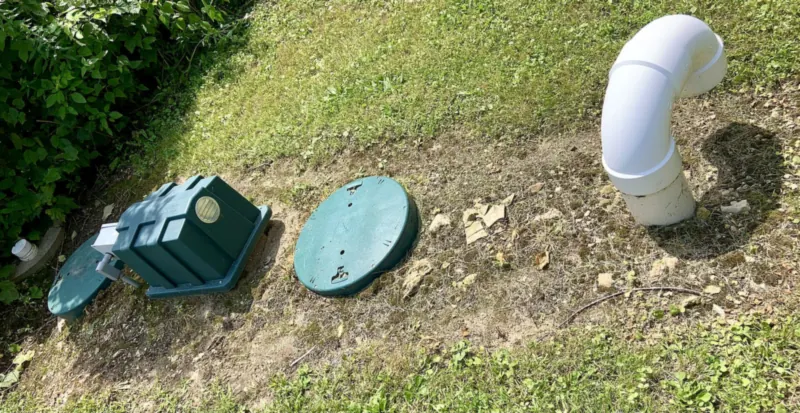
- Find your system's brand and model (usually on a lid or the control panel) if it's an AWTS
What not to do
- Don't switch off a treatment plant to silence it or save power
- Don't pour in chemicals, drain cleaners or "fixes" that kill the bacteria the system relies on
- Don't move or extend sprinklers or hoses outside the approved area, which council says needs a new design and permit
- Don't make repairs or alterations without council approval
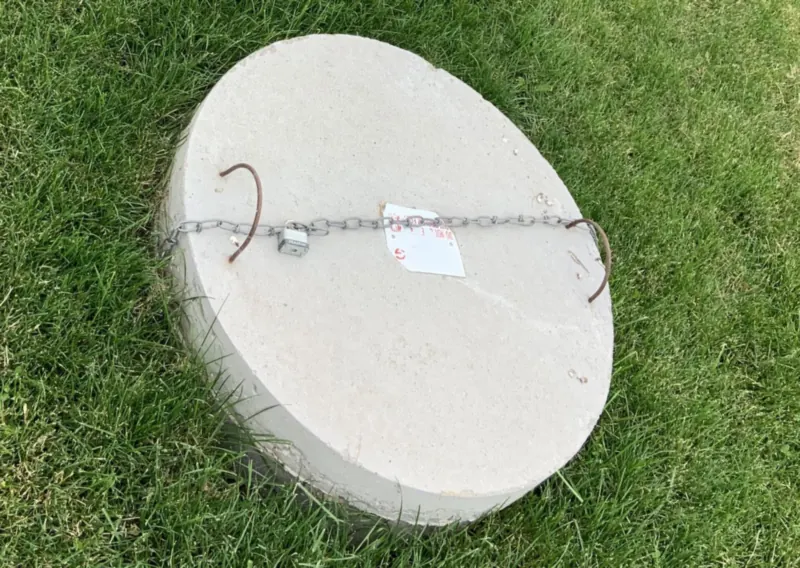
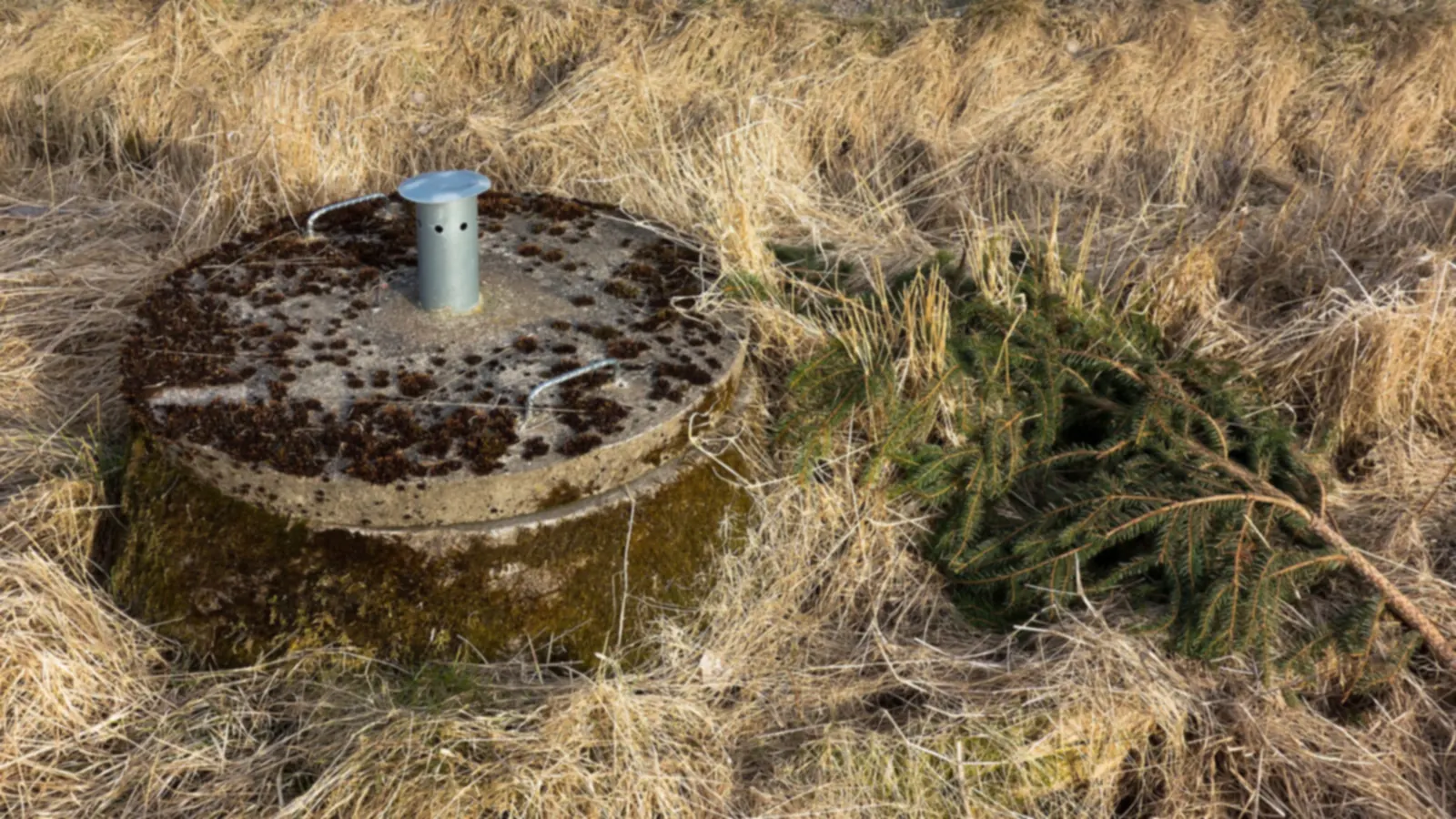
- Don't cover tank lids with soil, mulch or pavers
When to call someone
Call if effluent is surfacing or backing up into the house, an AWTS alarm stays on, smells persist, or it's been more than about five years since the tank was pumped (council's guidance is every three to five years). Send us your town, your system type and what you've noticed, and we'll pass it to an independent licensed provider who covers your area.
Septic problem questions
My septic smells. Is that normal?
A healthy system should not cause strong odours. Toowoomba Regional Council's advice is to call your service agent if you notice alarms, odours or unusual system behaviour. Smells can come from a full tank, a blockage, a failed trench or, in an AWTS, a blower or treatment fault.
My AWTS alarm is going off. What should I do?
Don't ignore it and don't switch the plant off. Council's guidance says not to switch your system off to save power and to call your service agent if you notice alarms. Ease off water use until it's checked.
Water is pooling over my trenches or irrigation area. Is that a problem?
It can be. Effluent must stay within your property boundary, and council says it is illegal for it to run onto neighbouring properties, gutters or waterways. Keep people and pets away from it and get the system checked.
Can I fix or change my system myself?
Council's guidance is not to make repairs or alterations without its approval, and moving sprinklers outside the approved area needs a new design and permit. Routine servicing must be done by a licensed service agent.
Sources: Toowoomba Regional Council on-site sewerage facilities guidance. General information only, not a diagnosis. A licensed provider needs to inspect the system.