When you need a new or replacement system
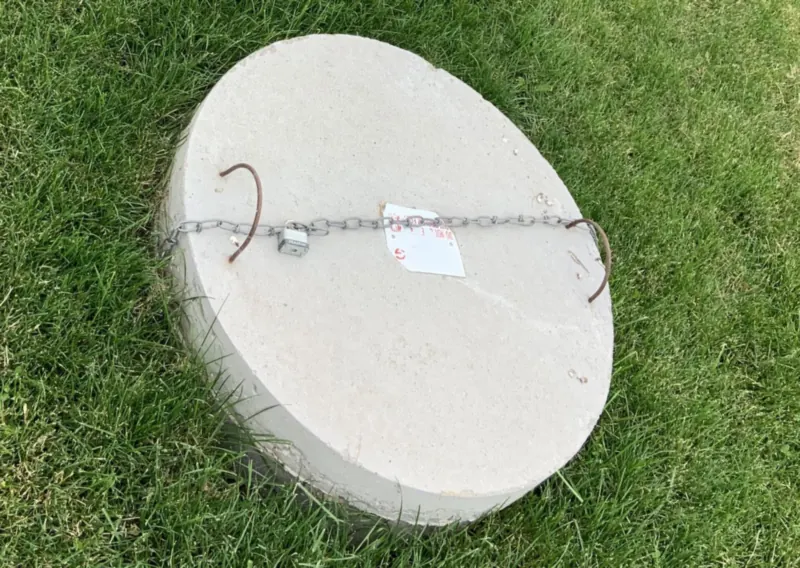
Most people look at a new on-site sewerage system for one of a few reasons: building a new home on an unsewered block, an old septic system with trenches that have failed, a treatment plant that's worn out or can no longer be serviced economically, or an extension that adds bedrooms and wastewater the existing system wasn't designed for. Whatever the reason, in Queensland a new system is a regulated plumbing job with an approval process, not just a tank swap.
The approval process in the Toowoomba region
Toowoomba Regional Council sets out the steps to install or alter an on-site sewerage facility:
- Get advice on your options. Consult a qualified site and soil evaluator, hydraulic designer, engineer or your plumber about how effluent can be treated and disposed of on your property.
- Get a plumbing application approval before any work. The application includes a site and soil evaluation report, the on-site sewerage facility design and a drainage design. Council says unsewered applications may take up to 10 business days to assess, and a permit is issued if approved.
- Build to the rules. Systems are assessed against the Plumbing and Drainage Act 2018, the Queensland Plumbing and Wastewater Code 2025, Australian Standards AS/NZS 1546 and AS/NZS 1547, and council's own policies and guidelines.
Larger systems serving more than 20 equivalent persons (for example some commercial sites) need a separate ERA 63 environmental approval and further monitoring from the state environment department, according to council.
Site and soil evaluation: why it comes first
The site and soil evaluation is what decides how big your land application area needs to be and which kind of system will work on your block. It looks at things like the soil, the slope, available space and distances to boundaries, buildings and water. Because it shapes the design, it also has a big effect on the final cost. Ask the evaluator or designer to explain the options they considered and why they recommend one over another.
Choosing a system type
Toowoomba Regional Council lists these on-site sewerage facility types that may be installed in the region:
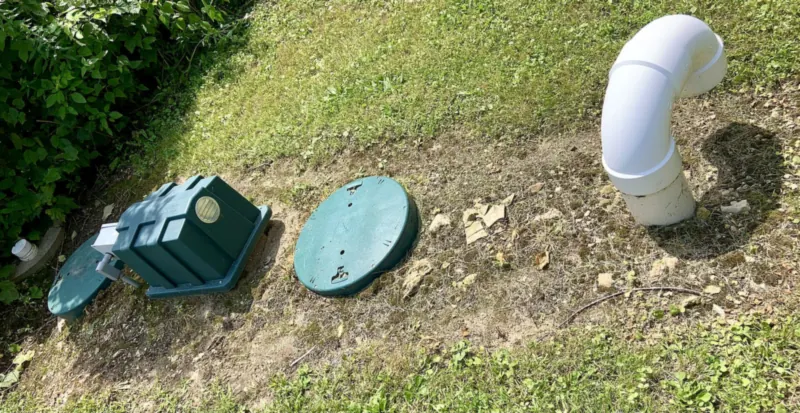
- Aerated wastewater treatment system (AWTS): the most common type, according to council. Treated water is dispersed to an approved area, usually by sprinklers or drip lines. Needs a servicing contract, commonly every three months. See AWTS servicing.
- Aerobic sand filter: a primary tank followed by a graded sand and/or gravel filter bed. Commonly serviced every 12 months.
- Advanced Enviro-Septic (AES): a passive, non-mechanical system after a septic tank, with treated water soaking into the soil in the approved area.
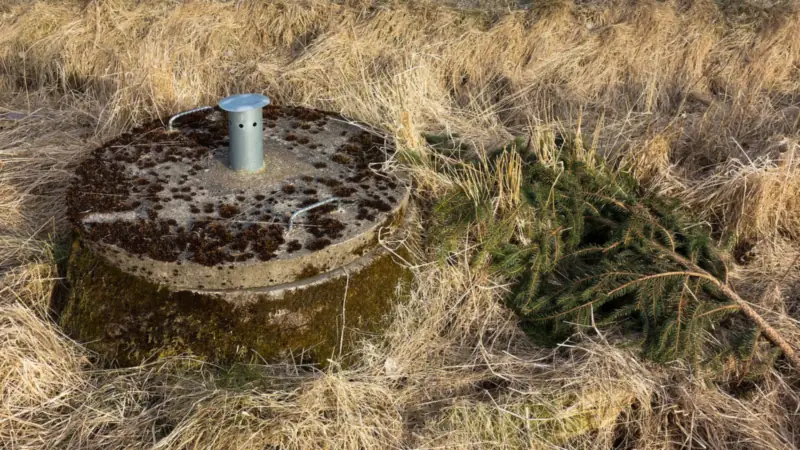
- Septic tank with trenches or beds: the simplest design. No power or routine service visits, but it needs regular pump-outs and suitable soil.
- Composting dry vault toilet and, where effluent can't be treated on site, a holding tank that is pumped out by a licensed liquid waste contractor.
Only approved treatment plants can be installed
Business Queensland says an on-site sewage treatment plant needs both local government approval and a treatment plant approval under the Plumbing and Drainage Act 2018. A septic-only or primary system doesn't need one. The Queensland Government publishes the list of approved treatment plants, grouped by the effluent quality they produce, along with a list of lapsed, withdrawn and superseded models. If a plant doesn't have a valid approval, it can't be installed as part of an on-site sewage facility in Queensland, so check a quoted model against the current list.
When comparing plants it's worth asking each provider about the effluent quality the plant is approved for, its power use, the expected yearly servicing cost, and how much land application area your design needs.
Typical costs (from public guides)
We don't set or quote prices. As a rough guide only, one public Queensland cost guide lists:
| Job | Indicative range |
|---|---|
| New aerated wastewater treatment system, installed | $12,000–$22,000 |
| Replace absorption trench (about 30 m) | $4,500–$11,000 |
Source: The Quote Yard, "Septic Tank Repair Services QLD 2026" pricing guide (rates assume south-east Queensland with reasonable access). Site and soil evaluation, design, council fees, rock, slope and access can all move a Toowoomba-region job outside these ranges. Always get written quotes.
Decommissioning the old tank
Toowoomba Regional Council says old on-site systems must be decommissioned properly, and a plumbing approval is required before any work begins. Council's steps are:
- Request a plumbing approval for the work.
- Pump out the tank. All effluent and sludge must be removed by an approved liquid waste contractor; keep the receipt for council's verification.
- Treat the empty tank with ag-lime or hydrated lime.
- Puncture one or more holes in the bottom of the tank so it drains.
- Remove concrete lids and break the tank walls below ground level.
- Fill with crusher dust and compact to surface level, topping up if it settles.
Getting quotes
Tell us your town, whether it's a new build or a replacement, what system you have now (if any) and whether you already have a site and soil evaluation. We'll pass your enquiry to an independent licensed provider in your area. Ask every provider for their licence details and a written, itemised quote before you commit.
New system questions
Do I need council approval to install or replace a septic system?
Yes. Toowoomba Regional Council says you must obtain a plumbing application approval before installing or altering an on-site sewerage facility. The application includes a site and soil evaluation report, the on-site sewerage facility design and a drainage design.
Can any treatment plant be installed in Queensland?
No. Business Queensland says an on-site sewage treatment plant needs a valid Queensland treatment plant approval as well as local government approval. Plants whose approval has lapsed, been withdrawn or been superseded can't be installed. A septic-only (primary) system does not need a treatment plant approval.
Who works out what system suits my block?
Council's guidance is to consult a qualified site and soil evaluator, hydraulic designer, engineer or your plumber about your effluent disposal options. The site and soil evaluation then forms part of the plumbing application.
What does a new system cost?
We don't set prices. One public Queensland cost guide lists roughly $12,000 to $22,000 for a new aerated system installed, and $4,500 to $11,000 to replace about 30 m of absorption trench. Get written quotes for your site.
What happens to my old septic tank?
It has to be decommissioned properly, and council says a plumbing approval is needed before the work starts. The tank is pumped out by an approved liquid waste contractor, treated with lime, holed, broken down below ground level and filled with compacted crusher dust.
Sources: Toowoomba Regional Council, Business Queensland and public cost guides. General information only, not design or council advice.