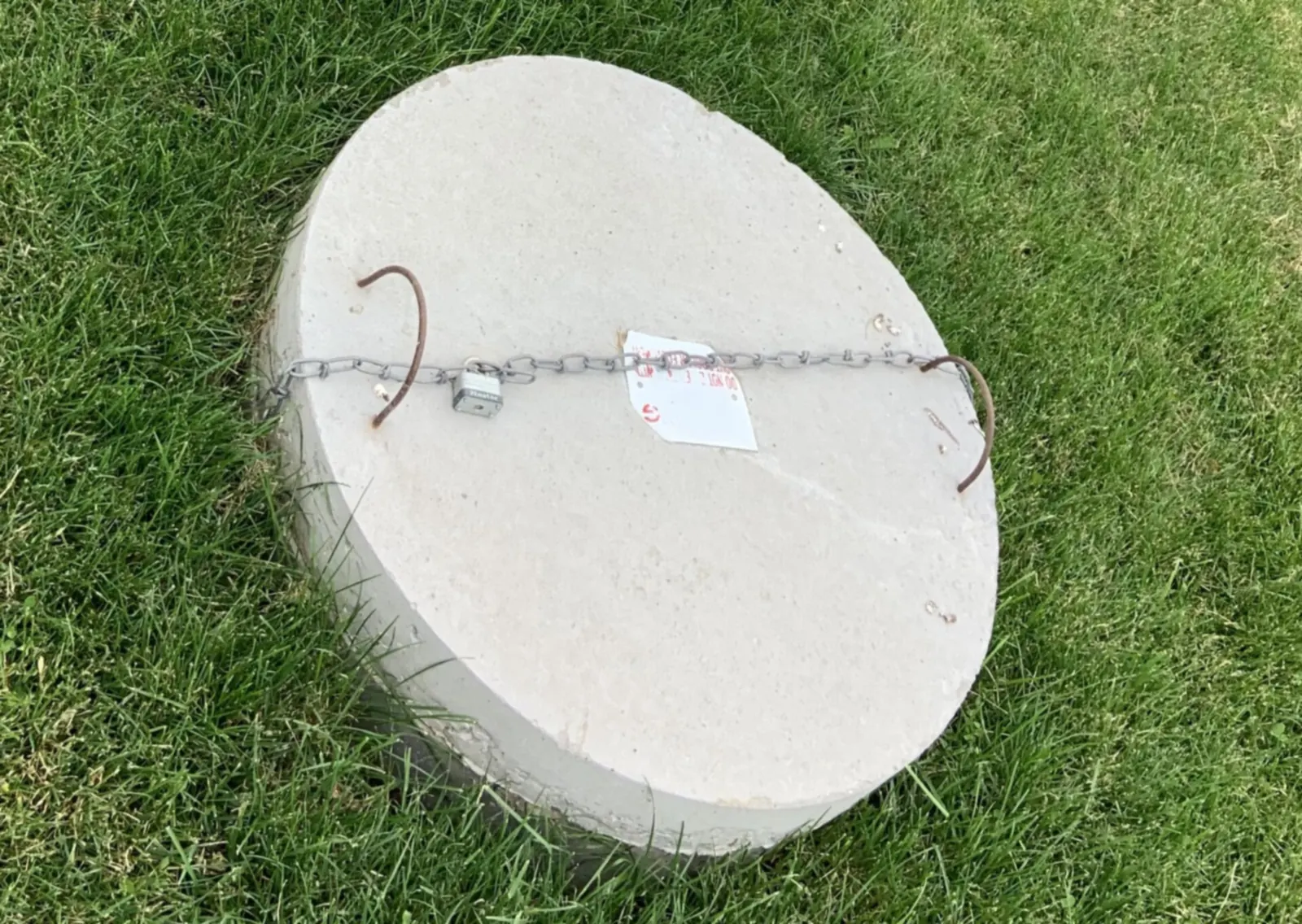
A septic tank holds solids (sludge) at the bottom and scum on top. Over time the sludge builds up, and if it isn't removed, solids can wash out into your trenches or irrigation area and cause expensive problems.
The usual timeframe
A common guide is every 3 to 5 years. Larger households, smaller tanks and garbage disposal units all shorten that.
Check rather than guess
Sunshine Coast Council recommends checking sludge and scum levels every year. Fraser Coast Regional Council's rule of thumb is that once sludge is deeper than about 500 mm, a pump-out is due.
Signs it may be overdue
- Slow drains or gurgling
- Smells near the tank or trenches
- Soggy or unusually lush ground over the trenches
See septic problems for more.
AWTS owners
Treatment plants (AWTS) have their own servicing schedule, usually quarterly, and the service technician will advise when the plant needs desludging. See AWTS servicing.
Related
Sources: Fraser Coast Regional Council – Septic systems · Sunshine Coast Council – Maintaining systems · Toowoomba Regional Council – On-site sewerage facilities. General guidance only; check with council or a licensed provider for your property.
Common questions
How often should a septic tank be pumped?
A common guide is every 3 to 5 years, but it depends on tank size, how many people live there and what goes down the drains. Having the sludge level checked tells you more than going by the calendar.
How do I know my tank needs pumping?
Fraser Coast Regional Council gives a rule of thumb: when the sludge layer is more than about 500 mm deep, it is time for a pump-out. A licensed provider can measure it.