What a septic pump-out is (and why it matters)
A septic tank separates household wastewater into three layers: a floating layer of scum (fats, oils and grease), a middle layer of liquid, and a layer of sludge on the bottom. Bacteria break some of the solids down, but not all of them, so sludge and scum slowly build up. A pump-out (also called desludging) is when a liquid waste truck vacuums out the tank so it has room to work properly again.
Toowoomba Regional Council explains what happens if you leave it too long. As sludge and scum build up, the space in the tank shrinks, less separation happens, and solids, oils and grease are carried out of the tank into the drainage trenches or beds. That clogs the surrounding soil. Clogged trenches are the expensive part of a septic system to fix, so a pump-out is cheap insurance.
How often to pump out a septic tank
Toowoomba Regional Council's guidance for septic systems is:
- clean the outlet filter every three months (if your tank has one)
- have the tank desludged every three to five years by a licensed liquid waste contractor
- mow the grass and look after the land application area
Where you fall in that three-to-five-year range depends mainly on how many people live in the house, how big the tank is, and how much water and solids go into it. Several Queensland councils, including Sunshine Coast Council, suggest checking sludge and scum levels every year. Fraser Coast Regional Council gives a simple rule of thumb: if the sludge layer is more than 500 mm deep, it's time for a pump-out. If you've just bought a property and nobody knows when the tank was last done, it makes sense to book one now and start a record.
Things that fill a tank faster
- More people living in the home than the system was designed for
- Food scraps, oil and milk going down the sink (council's guidance is to keep these out)
- A garbage grinder, unless your system was designed for one
- Wipes, sanitary products, coffee grounds and other things that don't break down
- Harsh chemicals and antibacterial cleaners, which kill the bacteria the tank relies on
Signs your tank may need pumping now
- Toilets and drains are slow, or gurgle after you flush or drain the bath
- Sewage smells near the tank, trenches or inside the house
- Wet, spongy or unusually green ground over the trenches, especially in dry weather
- Wastewater surfacing or pooling in the yard
- It's been more than about five years, or you simply don't know
Some of these can also mean a blocked pipe, a failed trench or a pump fault. Let the provider know exactly what you've noticed so they can bring the right gear.
Crows Nest and Cambooya: Common Effluent Disposal (CED) tanks
According to Toowoomba Regional Council, households in Crows Nest and in parts of the Cambooya township are on a Common Effluent Disposal scheme. Each home has its own septic tank, but instead of the liquid going to trenches on your block, it flows to council's sewer network for final treatment. The solids stay behind in your tank. Council says these tanks are pumped out as required by private contractors, and pumping out is the owner's responsibility. If your CED tank fills with sludge, solids can move into the shared pipes, so don't assume you're "on sewer" and never need a pump-out.
AWTS primary chambers and holding tanks
If you have an aerated wastewater treatment system, sludge also builds up in its primary (first) chamber. Your service agent checks sludge levels at routine service visits and will tell you when a desludge is due. See the AWTS servicing guide.
A holding tank doesn't treat anything. It just stores wastewater. Council says holding tanks must be pumped out by a licensed liquid waste contractor and the waste disposed of at a sewage treatment facility, so they need pumping much more often than a septic tank.
What to expect on the day
- Access. The truck needs to get reasonably close to the tank. Tell the provider about gates, steep driveways, soft ground or long distances from the driveway. These can affect price.
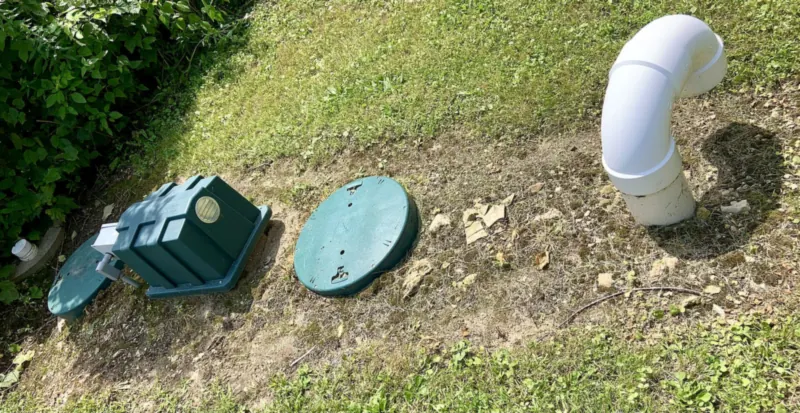
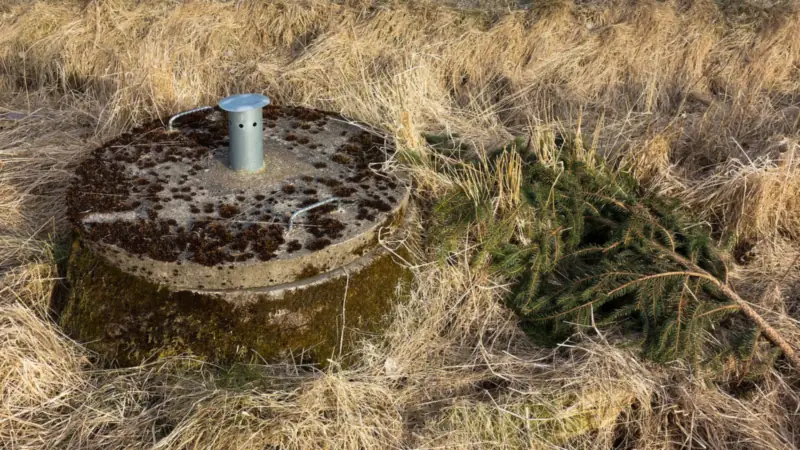
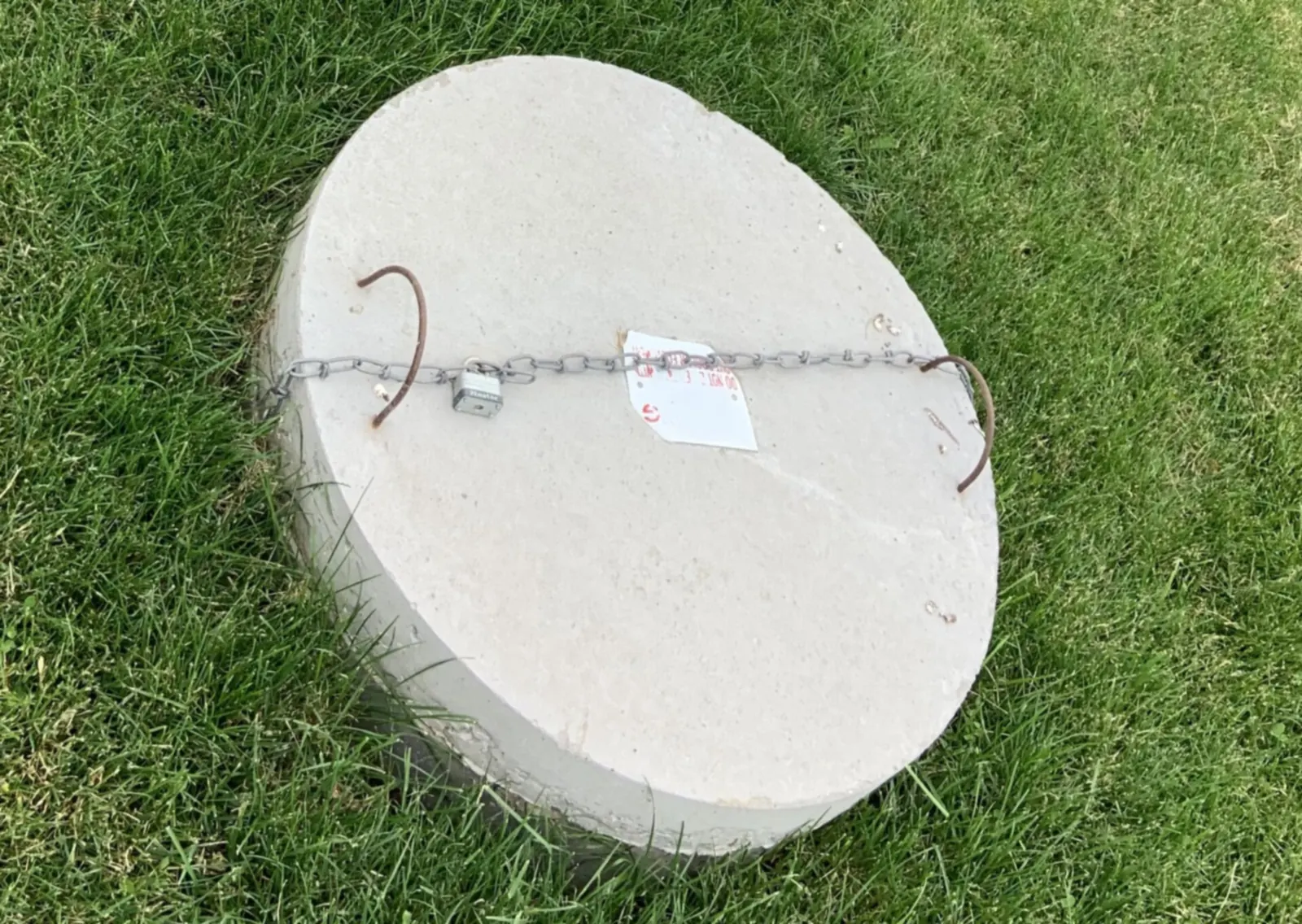
- Finding the lids. If your lids are buried or you're not sure where the tank is, say so when booking. Council guidance is not to cover tanks with earth or mulch that blocks access.
- Pumping. The contractor removes the sludge and scum and usually takes a look at the inlet, outlet and baffles while the tank is empty.
- Paperwork. Keep the receipt and any notes. Council recommends keeping detailed records of your system and its maintenance.
Typical costs (from public guides)
We don't set or quote prices. Providers quote you directly. As a rough guide only, public cost guides list these indicative ranges for Queensland:
| Job | Indicative range | Source |
|---|---|---|
| Standard domestic septic pump-out | $350–$750 | The Quote Yard, QLD 2026 guide |
| Large tank or poor truck access | $600–$1,400 | The Quote Yard, QLD 2026 guide |
| Septic tank pump-out, Queensland | $370–$1,260 (GST incl.) | Blue Collar News Services, 2026 |
These are third-party estimates based mostly on south-east Queensland and capital-city pricing. Regional travel distance, tank size, access and disposal fees can push a Toowoomba-region job outside these ranges. Always get a written quote.
Looking after your tank between pump-outs
- Use biodegradable, septic-safe cleaning products and toilet paper that breaks down easily
- Fix leaking taps and running toilets, and spread out washing loads
- Keep roof and surface water out of the system
- Keep cars, stock and heavy equipment off the tank and trenches
- Don't put concrete, pavers or soil over tank lids
Need someone out? Use the form or call us, and include your town and roughly when the tank was last pumped.
Pump-out questions
How often should I pump out my septic tank?
Toowoomba Regional Council's guidance is every three to five years, by a licensed liquid waste contractor. Households with more people, smaller tanks or heavy water use may need it more often.
Do I need a licensed contractor?
Yes. Council guidance says desludging should be done by a licensed liquid waste contractor, and waste from holding tanks must be taken to a sewage treatment facility.
I'm in Crows Nest. Do I still need pump-outs?
If your home is on council's Common Effluent Disposal scheme, the liquid goes to the sewer but the solids stay in your septic tank. Council says pumping out the tank as required is the owner's responsibility.
How much does a septic pump-out cost?
We don't set prices. Public cost guides put a standard domestic pump-out in Queensland at roughly $350 to $750, and more for large tanks or difficult access. Get a written quote from the provider.
Sources: Toowoomba Regional Council, Fraser Coast Regional Council, Sunshine Coast Council and public cost guides. General information only.